

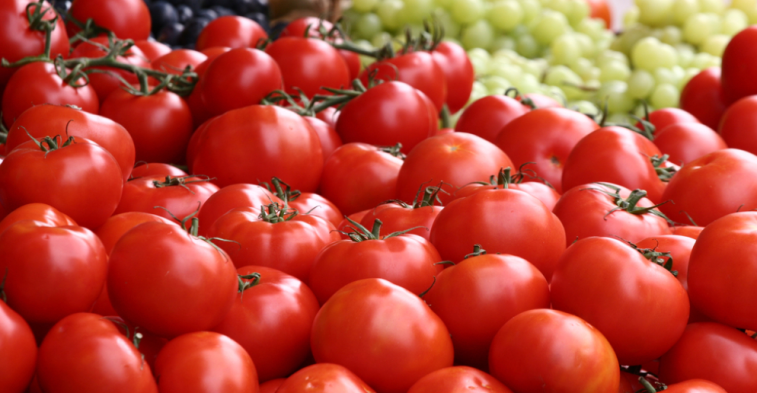
The government of Burkina Faso has imposed an immediate ban on the export of fresh tomatoes nationwide as part of efforts to safeguard supplies for its domestic agro-processing sector.
The directive was issued in a joint communiqué dated March 16, 2026, and signed by the Minister of Industry, Commerce and Artisanat, Serge Gnaniodem Poda, alongside the Minister of State for Agriculture, Water, Animal and Fisheries Resources, Ismaël Sombie.
According to the statement, all exports of fresh tomatoes are suspended “until further notice” across the country. The measure also affects all businesses and individuals involved in the tomato export trade.
Authorities explained that the decision is intended to ensure a steady supply of raw materials for local tomato processing factories. As part of the directive, the issuance of Special Export Authorisations (ASE) has also been halted with immediate effect.
Exporters who already possess valid permits have been granted a two-week grace period from the date of the announcement to complete any outstanding shipments. After this window, all existing permits will automatically become invalid.
The government cautioned that strict penalties will be applied to anyone who violates the ban. Any tomatoes seized for breaching the directive will be redirected at no cost to local processing facilities operating under the country’s public shareholding scheme.
In recent years, Burkina Faso has intensified efforts to strengthen its agro-processing industry, aiming to reduce reliance on exporting raw agricultural products. This policy direction has gained momentum under the transitional military administration led by Ibrahim Traoré.
The export suspension is expected to impact regional trade, particularly in neighbouring countries such as Ghana, which maintains strong agricultural trade ties with Burkina Faso. Northern parts of Ghana, which depend on cross-border food supplies, could experience price increases as a result of reduced tomato inflows.
Officials say they are relying on the cooperation of traders, border authorities, and security agencies to enforce the new policy and ensure its effectiveness.




More Stories
Ghana Loses $70 Million in Raw Rubber Exports Amid Under-Invoicing and Regulatory Breaches
NPA Pushes 24-Hour Petroleum Operations to Drive Jobs and Boost Efficiency
S&P Warns Ghana’s Credit Rating at Risk if Fiscal Reforms Lose Momentum